



Welcome to Our Plot of Daterra
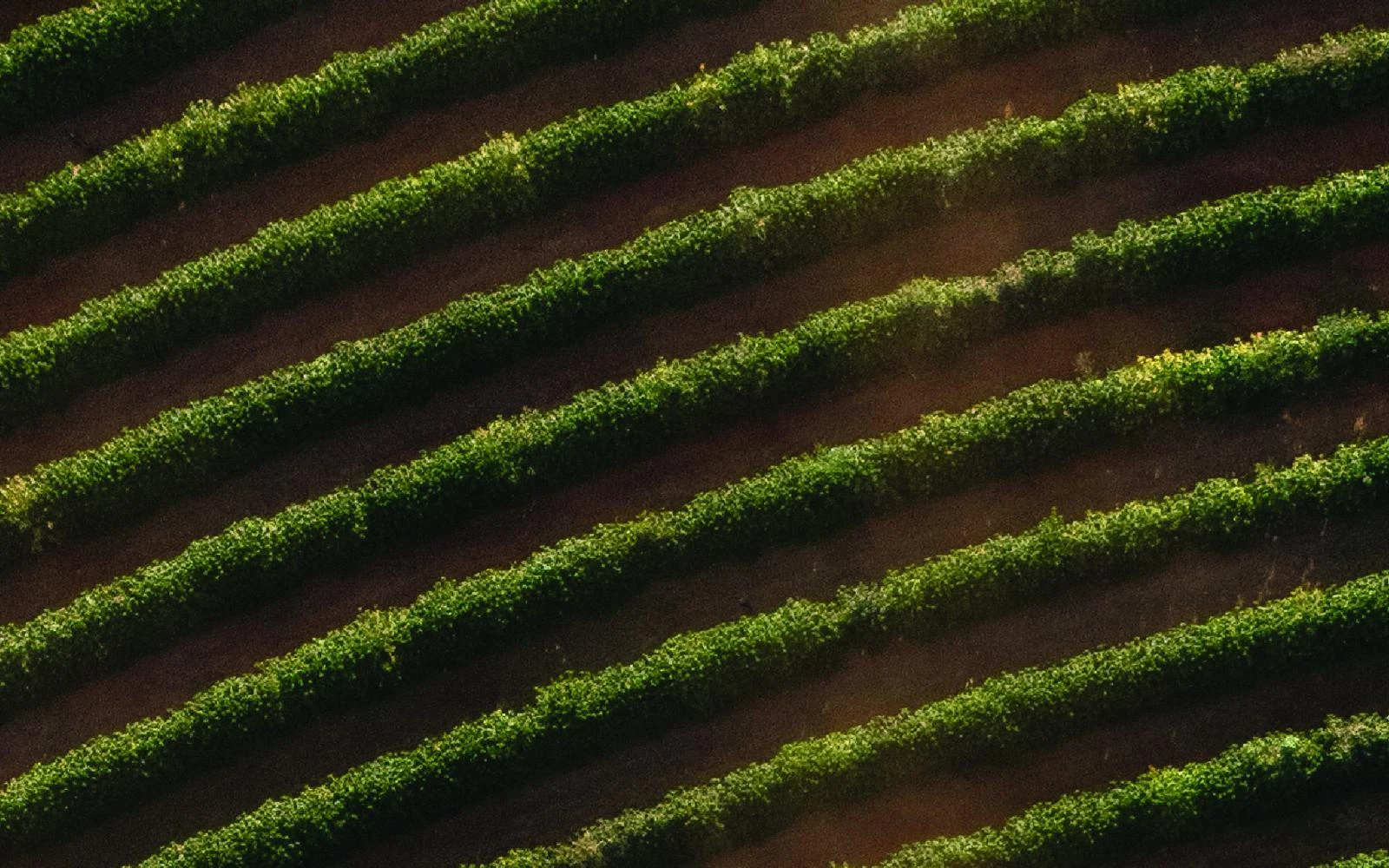
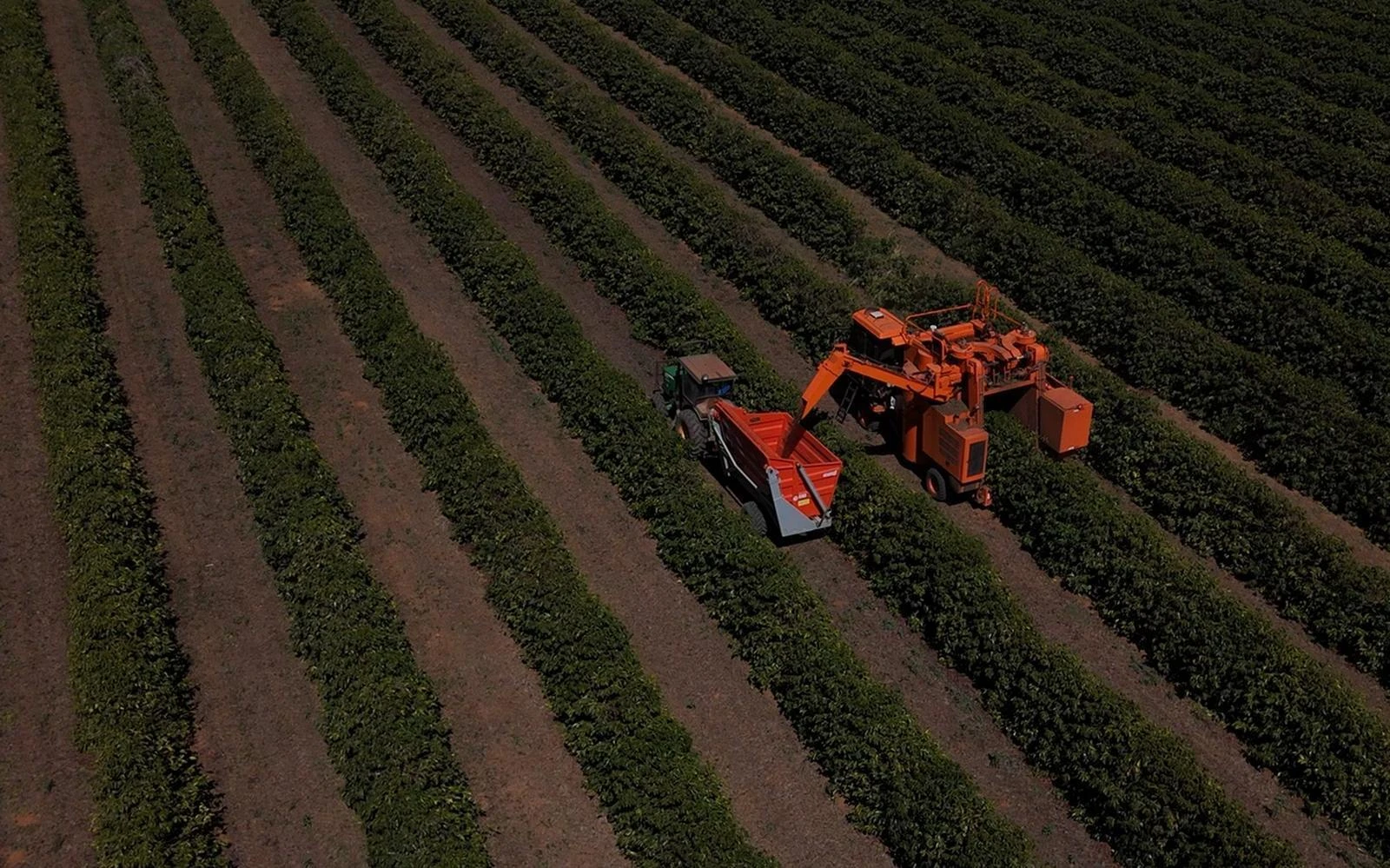
Plot BV 152. Just under a hectare of Arara at 1,159 metres, ours to experiment on. We took water science from the brew bar to the farm, changing the water composition during processing to see what it could do to the final cup.
Available through weekly pre-orders, with each batch roasted, packed and dispatched the following week. This allows us to roast to order, keep the coffee as fresh as possible and manage each limited batch with a little more care.
Who is Daterra
Daterra's story began with coffee in 1902. Over the generations it's been shaped by curiosity, resilience and a habit of constant improvement, and today they're recognised as one of Brazil's most innovative producers, continually exploring new ways to grow, process and understand coffee.
Daterra means "from the earth". They've built their reputation by challenging convention while staying connected to their roots, and in doing so helped redefine what's possible from Brazilian coffee. It's a philosophy that feels right at home at Toby's.
What is Our Plot of Daterra
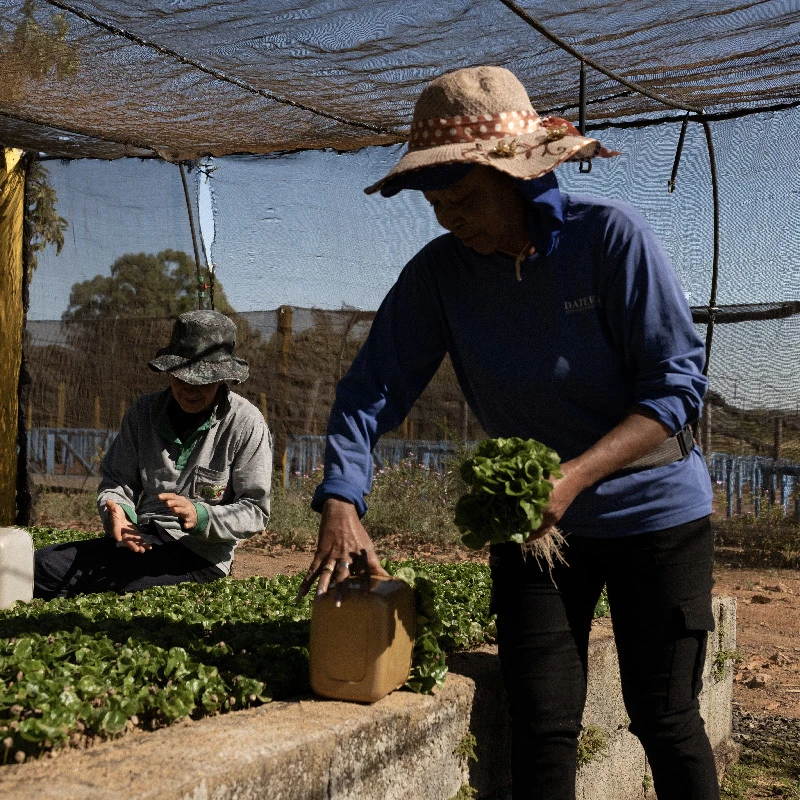
A long-term research program Daterra created to bring producers and roasters together. Rather than chasing sales or productivity, it exists to ask questions, test ideas and understand how decisions made on the farm show up in the cup. Each partner gets a dedicated, fully traceable plot on Daterra's farm to investigate one thing properly.
For Toby's, that one thing is processing. Specifically, how the mineral composition of water used during fermentation changes flavour.
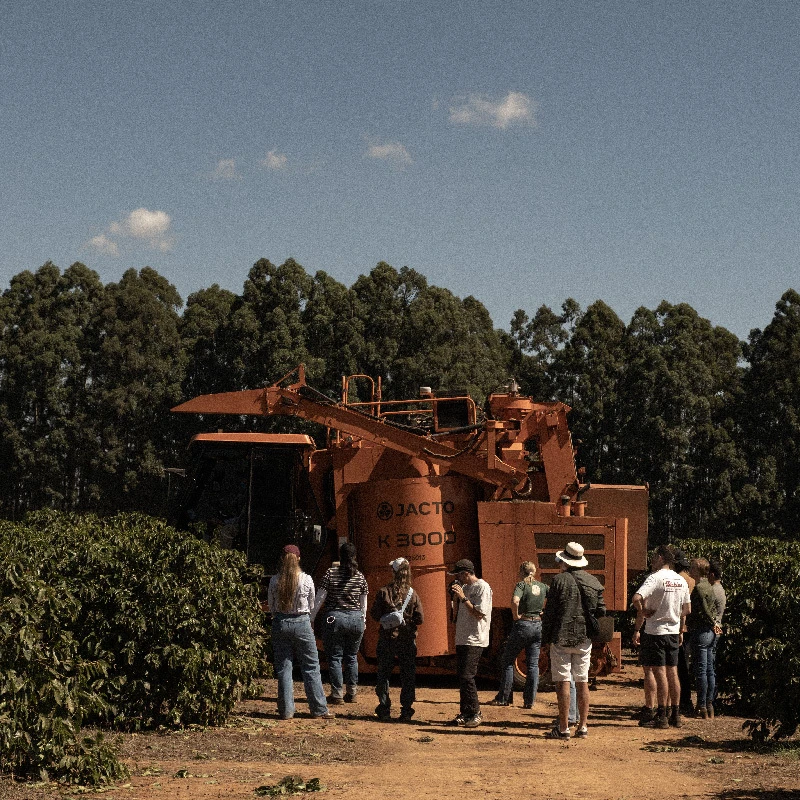
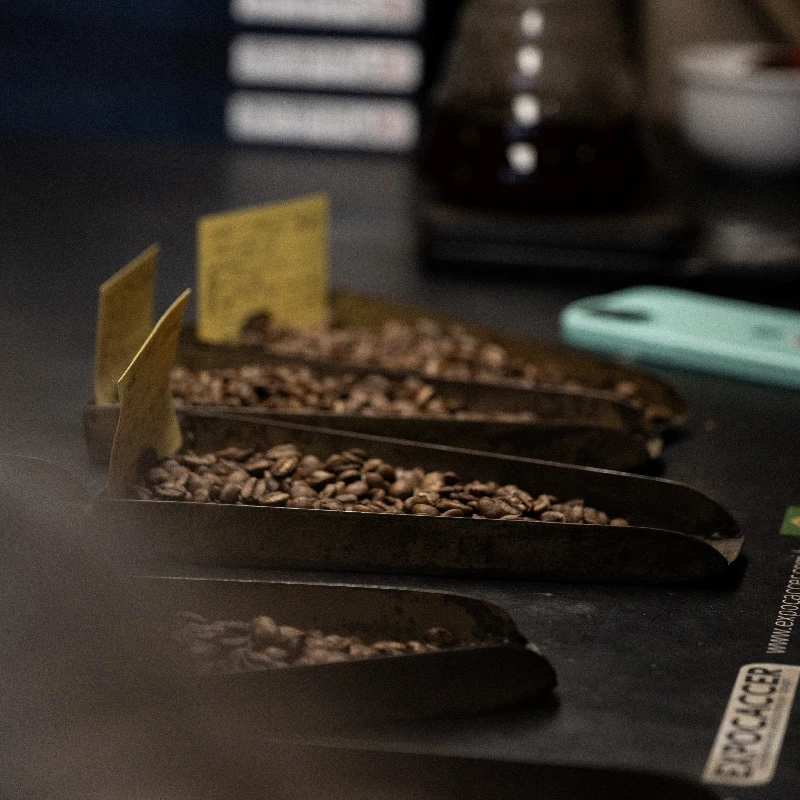
Plot BV 152
- Area
- 0.97 ha
- Sector
- F
- Variety
- Arara
- Altitude
- 1,159 m
- Spacing
- 3.80 m × 0.65 m
- Harvest
- Mechanical
It's here. Pre-order now.
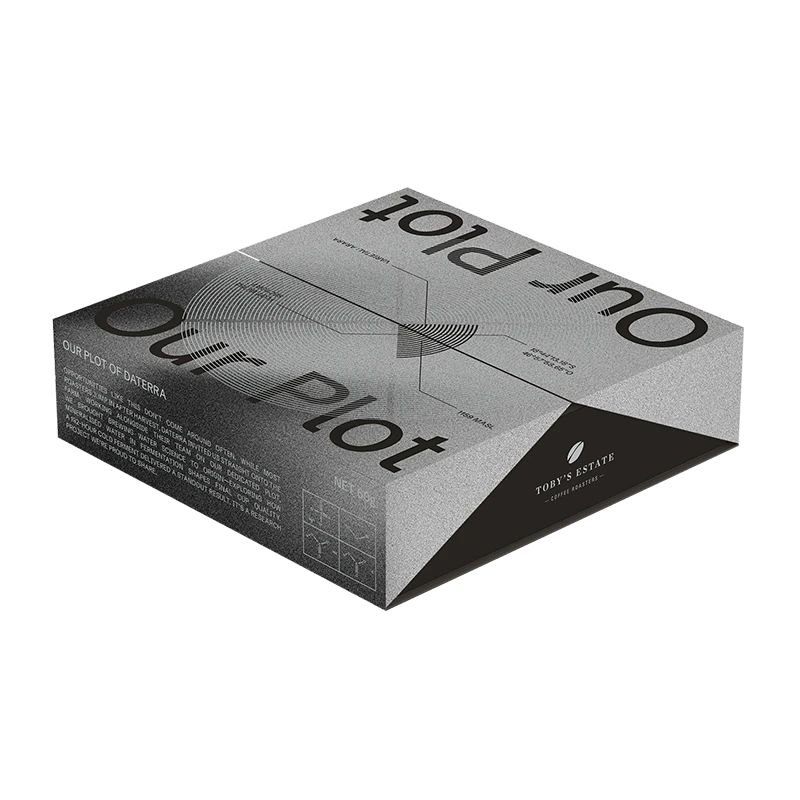
- Format
- 60g (3 x 20g) wholebean
- Roast
- Single origin filter
- Where
- Chippendale, Newstead,
Fitzroy & Singapore flagships + online
- 1st batch Opens Mon 28 Sep · Closes Mon 5 Oct
- 2nd batch Opens Mon 12 Oct · Closes Sun 18 Oct
- 3rd batch Opens Mon 26 Oct · Closes Sun 1 Nov
- 4th batch Opens Mon 9 Nov · Closes Sun 15 Nov
- 5th batch Opens Mon 23 Nov · Closes Sun 29 Nov
- 6th batch Opens Mon 7 Dec · Closes Sun 13 Dec
Taking Water Science to the Farm.
For most roasters the journey starts once the coffee leaves the farm. Being invited into the research on a plot of our own isn't something we take for granted. Water chemistry has become a big deal for baristas chasing new flavours, and we've been on that road too, building our own brewing water for competitors on the national stage. So when Daterra asked what we wanted to explore this year, we knew: could controlling the minerals in fermentation water move the cup as much as it does in the brew?
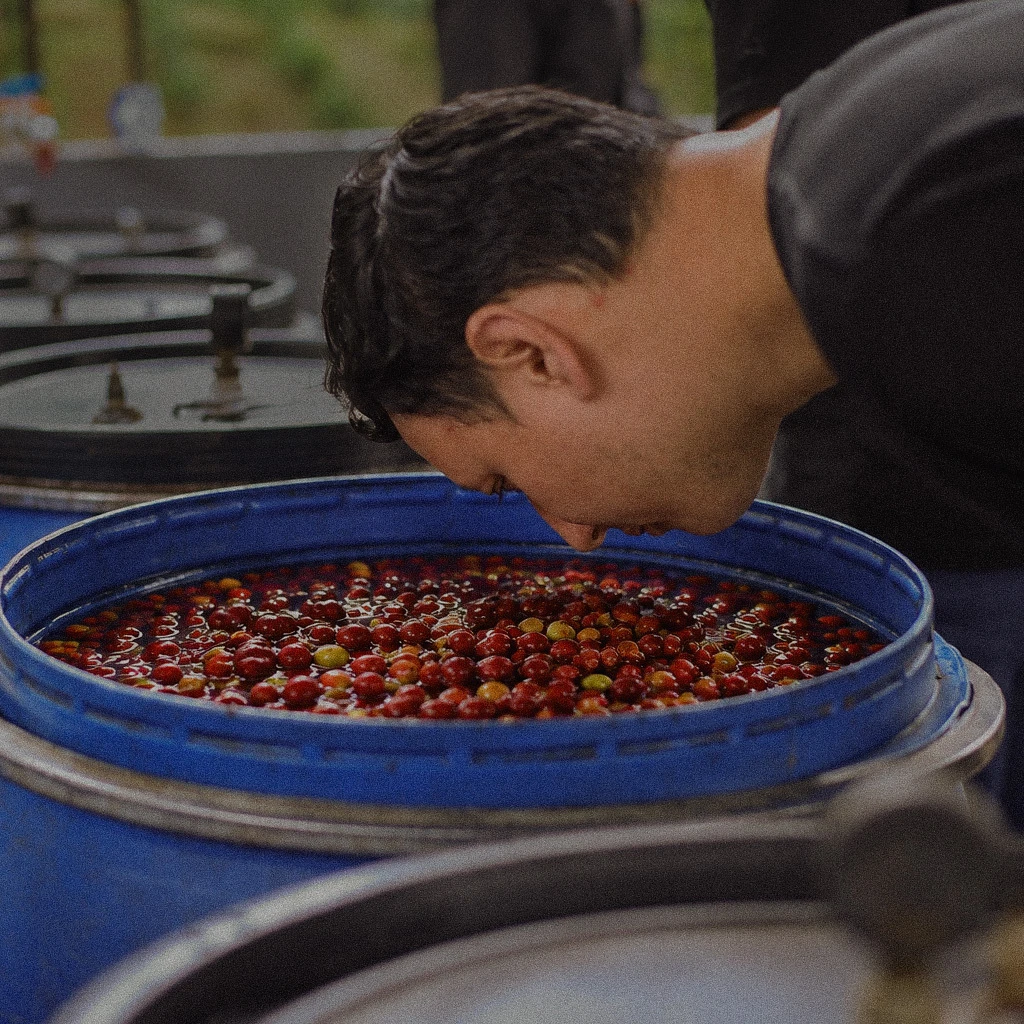
Mineralised water can have a positive impact on green coffee fermentation, resulting in a higher cup score than a control sample.
Four common brewing minerals (magnesium sulphate, calcium chloride, sodium bicarbonate, potassium bicarbonate) at different concentrations, measured in parts per million. Then a 192-hour cold fermentation compared against a 96-hour temperature-stable one. Seven treatments, cupped by both teams.
Higher-PPM water had the greatest impact on flavour, and cold fermentation took the coffee to a different level again compared with the control. This is the coffee we want to share with you.
Four Minerals, Measured by the PPM.
One of the most effective minerals for pulling flavour compounds out. Tends to lift extraction, bringing fruit, sweetness, complexity and clarity. Too much and it turns intense or slightly astringent.
Also aids extraction, but contributes more to body, sweetness and structure than magnesium does. A rounder, richer mouthfeel, and it helps keep acidity in balance.
Bicarbonate buffers acidity, so the coffee reads less sharp and more rounded. A little enhances sweetness and balance; too much flattens acidity and mutes the brighter flavours.
Similar buffering to sodium bicarbonate but often perceived as cleaner and softer. It moderates acidity while keeping clarity, so the more delicate flavours survive.
Treatment Six.
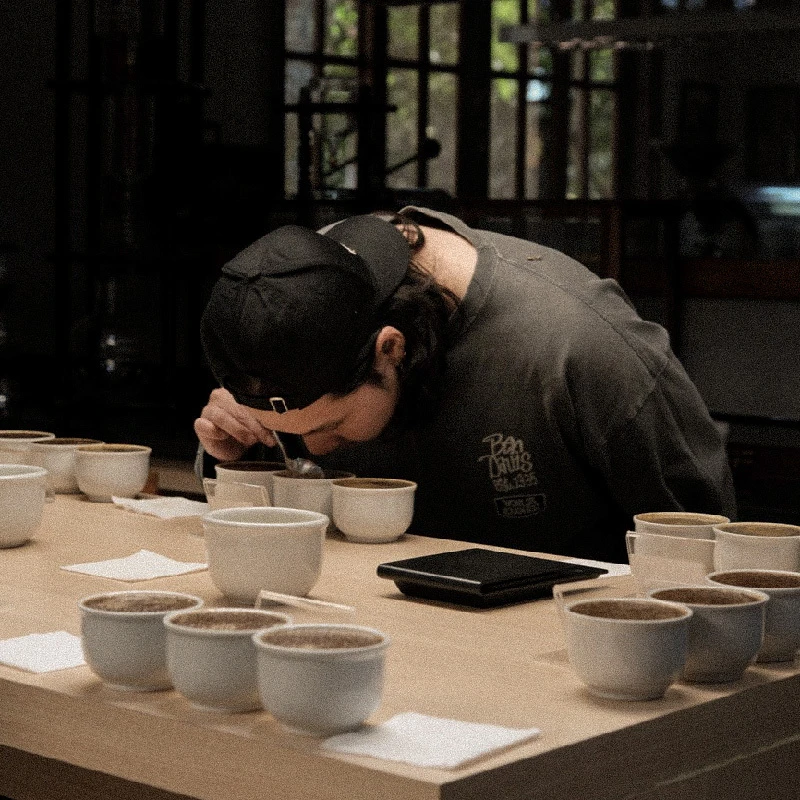
Daterra and Toby's independently cupped all seven treatments: their team in the Cerrado, ours in Sydney, before comparing notes. Both teams landed on treatment six, water with a mineral concentration of 210 PPM (parts per million), paired with a 192-hour cold ferment. It was the treatment we chose to take forward, and the coffee you'll find in the tubes.
| No | Processing | Fermentation | Cup Score | Aroma Description | Flavour Description |
|---|---|---|---|---|---|
| 1 | Low PPM · 70 (Mg30 Ca20 Na15 K5) | Anaerobic fermentation with water (96h) | 85.06 | Ripe fruits, Dark fruits, Chestnuts, Sweet | Yellow fruits, Stone Fruits, Sweet & Chocolate |
| 2 | High PPM · 210 (Mg70 Ca70 Na70) | Anaerobic fermentation with water (96h) | 86.81 | Fruity, Juicy Fruits, Floral | Yellow Fruits, Honey, Ripe Fruits, Sweet |
| 3 | High PPM offset · 180 (Mg80 Ca40 Na40 K20) | Anaerobic fermentation with water (96h) | 86.13 | Yellow fruits, Stone fruits, Sweet, Chocolate | Yellow & Juicy Fruits, Apricot, Peach, Citric & Sweet |
| 4 | High PPM offset · 180 (Mg40 Ca80 Na20 K40) | Anaerobic fermentation with water (96h) | 86.19 | Yellow fruits & Citrus Fruits, Sweet, Floral | Yellow Fruits, Citrus Fruits, Peach, Sweet |
| 5 | Control, no nutrient | Ambient anaerobic fermentation with water (96h) | 85.56 | Stone Fruits, Yellow Fruits, Chocolate & Sweet | Yellow & Ripe Fruits, Grapefruit, Citrus Fruits & Sweet |
| 6 | High PPM · 210 (Mg70 Ca70 Na70) | Cold anaerobic fermentation with water (192h) | 88.00 | Rose Wine, Red Fruits & Juicy Fruits | White Wine, Yellow Fruits, Grape, Fruity, Ripe Fruits & Sweet |
| 7 | Control, no nutrient | Cold anaerobic fermentation with water (192h) | 86.38 | Grape, Purple Fruits, Sweet, Floral | Yellow Fruits, Orange, Grape, Stone Fruits, Ripe Fruits, Plum & Sweet |
| No | Processing | Fermentation | Cup Score | Flavour Description |
|---|---|---|---|---|
| 1 | Low PPM · 70 (Mg30 Ca20 Na15 K5) | Anaerobic fermentation with water (96h) | 83.00 | Separate, biscuit, no harshness/ defects, super clean, high acid,malt, brown sugar, solid acid structure throughout, citric/malic/juicy/well rounded |
| 2 | High PPM · 210 (Mg70 Ca70 Na70) | Anaerobic fermentation with water (96h) | 83.25 | Malt, spice, blueberry/light fruit on fragrance, juicy malic, some tartaric, lemonade brown sugar sweetness. Similar to 1 – but more aromatic |
| 3 | High PPM offset · 180 (Mg80 Ca40 Na40 K20) | Anaerobic fermentation with water (96h) | 84.00 | Spice, malt caramel, hazelnut, sugar browning, integrated citric acidity, good depth and mouthfeel, clean finish with slight vegetal notes as it cools. |
| 4 | High PPM offset · 180 (Mg40 Ca80 Na20 K40) | Anaerobic fermentation with water (96h) | 84.50 | Caramel, toffee, simple aromas, very similar to 3 but with fruit undertones, juicy malic acid, nice sweetness throughout, dried fruits, really good dsm |
| 5 | Control, no nutrient | Ambient anaerobic fermentation with water (96h) | 83.00 | Malt, caramel, simple, slight herbaceous, juicy malic, slight berries, similar to 4 –more dried fruits than the other cups, good sweetness |
| 6 | High PPM · 210 (Mg70 Ca70 Na70) | Cold anaerobic fermentation with water (192h) | 85.25 | Fruit forward, berry, winey, intense, tropical, pineapple, plum, orange, blackcurrant, juicy malic, good sweetness |
| 7 | Control, no nutrient | Cold anaerobic fermentation with water (192h) | 82.00 | Some bitterness throughout, vegetal, sweet acid, malt, milk choc, spice, sweet lime, some savoury notes, thin body, brown sugar |
How to Brew at Home.
Follow our recommended V60 brew recipe below for best results.

| Dose | 20g coffee |
| Water | 250g total |
| Water temp | 91°C / 196°F |
| Grind | EK43, setting 16 |
| Brew time | 2:30 to 3:30 |
- 01Add 20g of ground coffee to your V60.
- 02Tare scales.
- 03Pour 50g of water within 10 seconds.
- 04At 0:30, add another 50g of water (100g total).
- 05Allow the water to drain completely.
- 06Repeat until the volume sits at 250g.
- 07Serve in a carafe or cup.
Don't miss the next one.
Our Plot is the first of its kind, but it won't be the last. Tell us what you're into and we'll make sure the right coffee finds you first.